
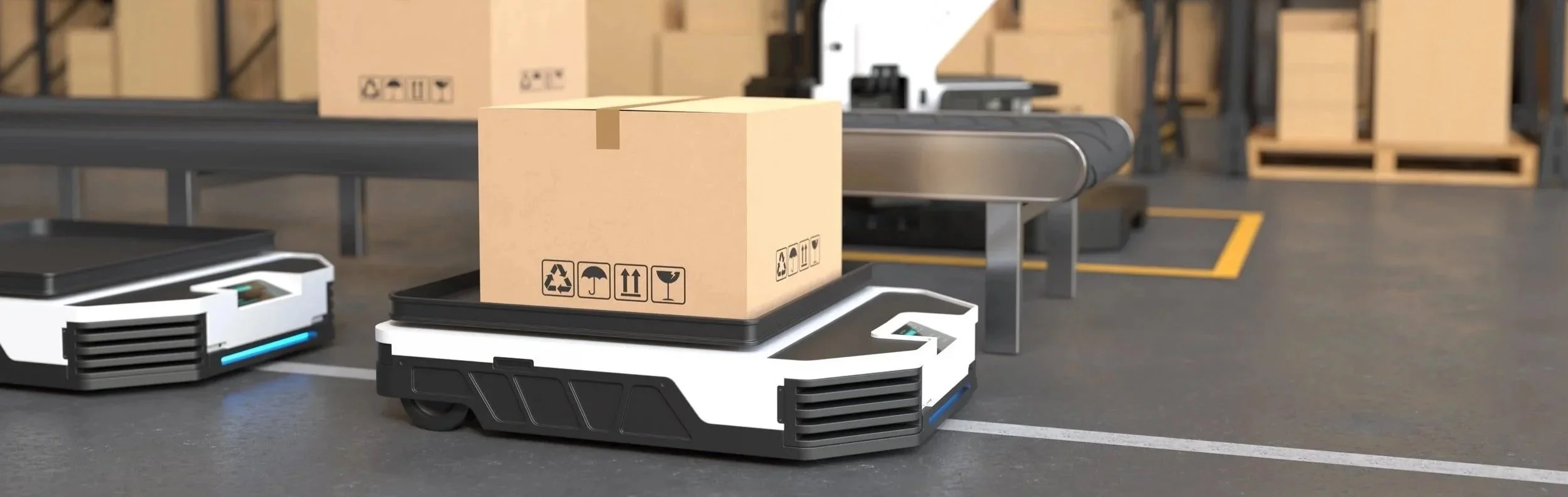
Robotics & AI
Most robotics and AI investment fails because the operation underneath it isn't ready, not because the technology doesn't work.
A robotics business case that won't quite land, an automation pilot that failed and had to be rolled back before scaling, AI tools producing outputs nobody trusts. A new-build facility designed around technology the existing operation can't yet support, confidence lost in the board room, progress stalled and fear the competition is pulling ahead.
You don't need a bigger technology budget. You need someone to identify where your operation can carry robotics, automation and AI, fix what is holding you back and build the foundations that enables robust deployment and delivers the gains that you intended.
That's what this service does.
The engagement runs in three integrated phases. First, a Targeted Readiness Assessment of three to four weeks: a structured audit of process stability, data integrity, physical environment, workforce capability and governance maturity against the technology use cases on the table, delivered as a written readiness report identifying which investments will perform, which will fail, and what has to be fixed first. Second, Business Case & Supplier Selection over four to eight weeks: final board-level business case, identifying and selecting suppliers, oversight of procurement cycles and supplier selection. Thirdly, Build & Deploy over eight to twenty-four weeks: hands-on remediation of the operational foundations alongside structured deployment leadership coordination, integration, change management, KPI architecture, and a governance cadence capable of running the technology forward once it's live.
You exit with technology that performs as the business case promised: realised cost-out, measurable productivity gains, designed-in safety improvements, and an operation capable of running and scaling the investment without external dependency.
Drawing on twenty years of frontline operational leadership across parcel and courier networks, healthcare logistics, automotive supply chains, and military supply chains, including leading robotics and automation deployments in live, safety-critical environments.
Targeted Readiness Assessment from £15,000 fixed fee. Business Case & Supplier Selection from £20,000. Build & Deploy from £40,000.
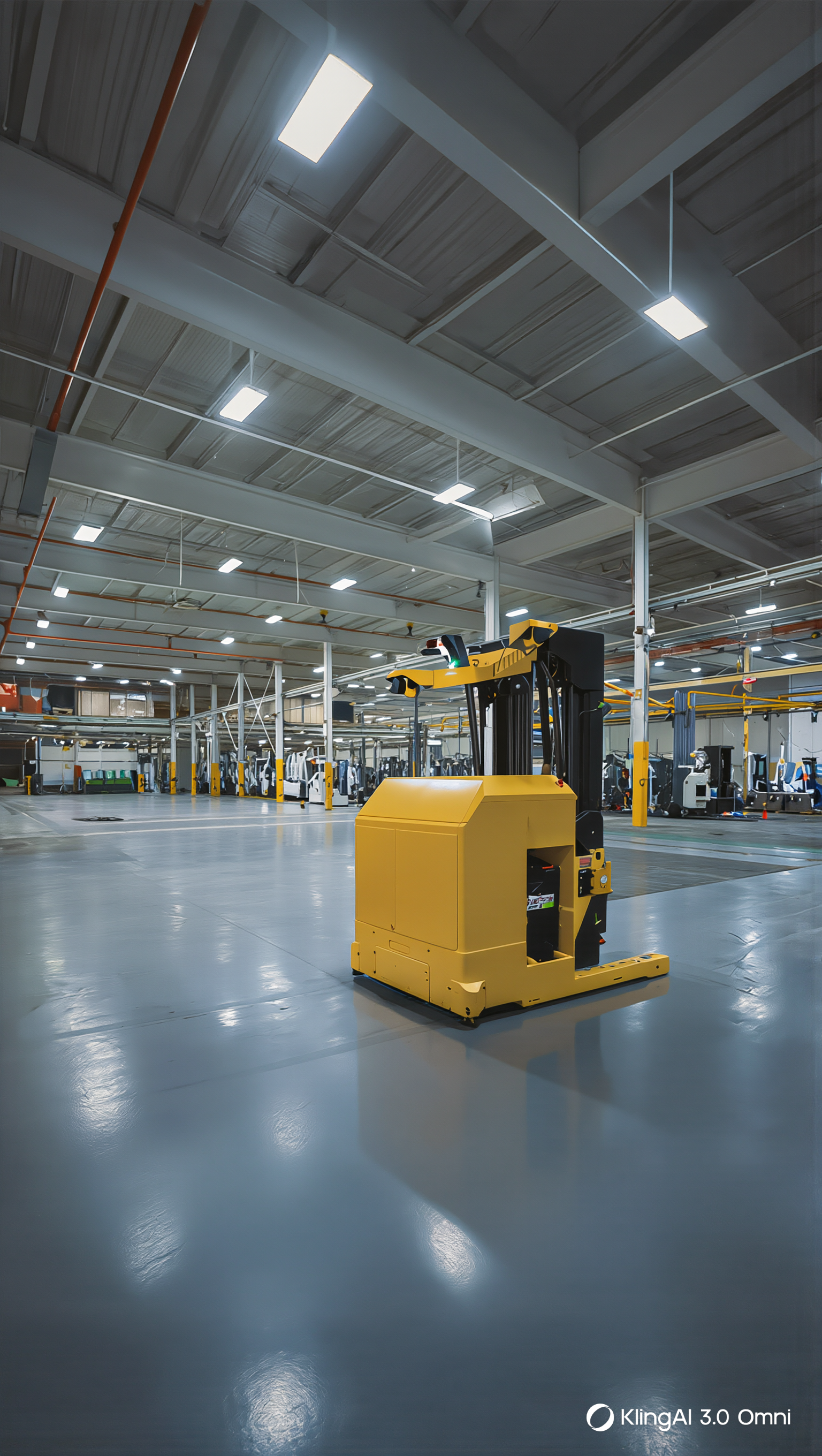
Case study: Autonomous vehicle deployment in a new-build acute hospital
Leading the deployment of autonomous guided vehicles in partnership with Aerocom & MLR into a live clinical environment delivering cost-out, productivity and patient-safety gains from day one of operations
The situation
A major NHS trust was opening a new-build acute hospital with a fleet of twelve autonomous vehicles designed into the building from the outset — moving clinical waste, linen, food, consumables and pharmacy stock between wards, theatres, sterile services and back-of-house. The technology and the building were ready. The operation around them wasn't.
The internal logistics workforce had operated a manual portering and distribution model for decades. The AV vendor had delivered a working fleet but had no remit for how it integrated with clinical workflow, infection control, fire safety, IT infrastructure or the existing operating model. The trust had a business case promising cost-out and productivity gains, a safety case that had to satisfy the CQC, and a go-live date that couldn't move.
The risk wasn't the technology. The risk was that twelve robots would be commissioned into an operation that hadn't been redesigned to use them — and the business case, the safety case and the patient experience would all suffer.
The intervention
Engaged to lead the operational deployment end-to-end, working across estates, clinical operations, IT, procurement, the AV vendor and the building contractor.
The work ran across four parallel workstreams. Operational design — mapping every clinical and non-clinical workflow the AVs would touch, redesigning portering, stores and waste processes around the new fleet, and rewriting SOPs for ward-level and back-of-house teams. Physical and digital integration — coordinating fire compartmentation, lift integration, charging infrastructure, network coverage, and the trust's IT and clinical systems with the AV control platform. Safety and assurance — leading the safety case for clinical environments, building the risk register, agreeing escalation protocols, and securing sign-off from the trust's safety, infection control and CQC interfaces. Workforce transition — running the consultation and redesign of the affected portering and logistics roles, redeploying staff into higher-value clinical support roles, and training ward and theatre teams to work alongside the fleet.
Deployment was sequenced ward-by-ward and function-by-function, with a defined exit criterion at each stage before the next was activated.
The results
Twelve autonomous vehicles deployed into a live acute hospital environment to schedule, with full clinical and CQC sign-off
Cost-out delivered against the original business case through the redesign of portering, stores and waste workflows around the fleet
Productivity gains realised at ward level — clinical staff time recovered from manual logistics tasks and redirected to direct patient care
Designed-in safety improvements — reduced manual handling injuries, reduced cross-contamination risk on clinical waste and linen flows, and a defensible safety case the trust owned going forward
Workforce successfully transitioned with portering and logistics staff redeployed into higher-value clinical support roles rather than displaced
The outcome
The trust opened the new hospital with the autonomous fleet integrated into clinical operations from day one — not commissioned in isolation and bolted on afterwards. The business case landed. The safety case held. The operating model was capable of running the fleet forward and scaling it as additional use cases came on stream, with no continuing external dependency.
The deployment is one of a small number of NHS AGV programmes to have gone from technology readiness through to operational delivery without a stalled or de-scoped outcome.